In partnership with

Ever watched your suitcase vanish behind the black curtain at the check-in counter, only to spend the next five hours praying it doesn't end up in a different hemisphere? In 2026, with airlines tightening baggage fees, shortening connection times, and relying on automated sorting algorithms that treat luggage like battered cargo, knowing how to pack a checked bag is a survival skill. From avoiding the "black bag" crisis to the hidden dangers of lithium batteries in the cargo hold, mastering these, do’s and don'ts will ensure your bag actually makes it to the carousel when you do.

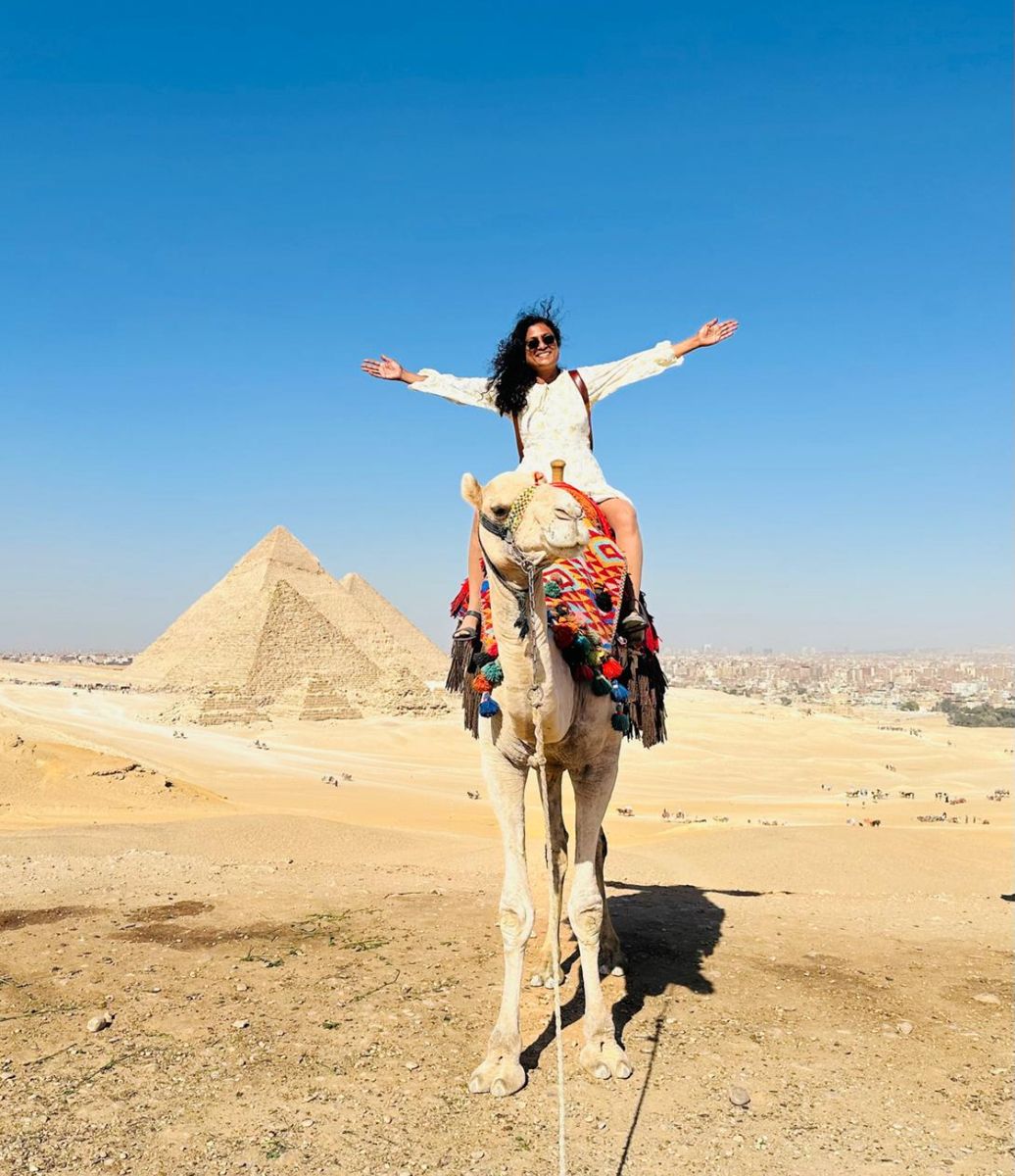
Picture by Me
🚫 What You SHOULD NOT Do (The "Avoid Disaster" List)
NEVER Pack Electronics with Lithium Batteries: Do not pack laptops, cameras, power banks, or vape pens. If these catch fire in the cargo hold, they are nearly impossible to extinguish. Though this is mentioned in the warnings and the staff at the check-in counter will confirm it too, some people tend to ignore the warning
No Essentials or Valuables: Never check your passport, medication, jewelry, keys, or high-end cameras. Keep these in your carry-on.
Don't Overstuff: Leave space for souvenirs. Overstuffed bags are more likely to burst, and "The Brick Effect" (liquids triggering manual searches) can delay your luggage. Use zip-top bags or packing cubes to organize and protect clothing and toiletries; they make searching and repacking faster.
Don't Pack Flammables/Aerosols: Avoid packing spray paint, lighter fuel, fireworks, or large aerosols (unless they are toiletries).
Don't Forget to plastic wrap/ seal: If you are carrying liquid toiletries like body lotions, shampoos, hair oils, etc. wrap or seal them in a plastic carry bag. Sometimes, they leak due to changes in pressure.
Don't Pack Fragile Items Alone: Pack fragile items in the center of your suitcase, surrounded by soft clothes, and use padded cases for electronics; assume your bag will be dropped from a height.
Don't Overload: Keep your bag under the standard 50 lbs (23 kg) limit or the limit specified by your carrier (it will be mentioned on your ticket) to avoid massive overweight fees.
Before you understand what you SHOULD do, check out this ad ⬇

Tech moves fast, but you're still playing catch-up?
That's exactly why 200K+ engineers working at Google, Meta, and Apple read The Code twice a week.
Here's what you get:
Curated tech news that shapes your career - Filtered from thousands of sources so you know what's coming 6 months early.
Practical resources you can use immediately - Real tutorials and tools that solve actual engineering problems.
Research papers and insights decoded - We break down complex tech so you understand what matters.
All delivered twice a week in just 2 short emails.
Back to the topic 👇
🛡️ What You SHOULD Do (The "Pack Smart" List)
Use a Tracking Device: Place an AirTag or similar tracker inside your bag, if possible, so you know exactly where it is.
Use Unique Identifiers: Attach a bright, unique ribbon (if you do this, make sure the ribbon is not too big as it can cover the barcode and interfere with the automatic baggage sorting system), sticker, or luggage strap to make your bag instantly recognizable on the carousel.
Take "Evidence" Photos: Photograph your bag and its contents before locking it, in case you need to file a claim for damage or loss.
Use TSA-Approved Locks: Ensure your bag is secure but accessible to security personnel.
Pre-pay for Baggage: In case you are carrying more than the free permissible bags or if it is overweight, pay for checked bags online in advance to save significant money compared to paying at the airport counter.
Remove Old Tags: Tear off old barcodes from previous trips, as these can confuse automated scanners and send your bag to the wrong city.
Before we go to the key advise, do check out how you can grow on LinkedIn 👇
Build a LinkedIn Growth Routine That Actually Compounds

Taplio helps you grow followers with consistent posting, boost visibility with smart engagement, and iterate on what’s working with advanced analytics.
All in one place.
Try free for 7 days + $1 for your first month with code BEEHIIV1X1.
Back to the topic 👇

Picture by Me
✈️ Key 2026 Advice: The "Invisible Gauntlet"
Luggage handling in 2026 is faster and more automated. To prevent damage to your belongings:
Hard Shell vs. Soft Shell: Hard-shell bags are generally better at resisting, but can crack under extreme pressure. Ensure your bag is high quality.
The "45-Minute Rule": If your connection time is less than 45-60 minutes, your checked bag has a high risk of not making it. Try to keep longer connection times (international as well as domestic travels). Confirm at the check-in counter that your baggage has through check in till the final destination (which means you do not have to reload the bag in transit).
Did you make any luggage mistake and learned the hard way? Do you have any questions? I would love to know.
Safe travels, Yogi 💕
Subscribe to my newsletter if not already done https://yogitravels-newsletter.beehiiv.com/
Follow me on X , Follow me on Medium
Subscribe to beehiiv using the link below to get a 14 day free trial and 20% discount off your first 3 months on any paid plan